
Debt Forgiveness on Your Credit Report: Key Impacts
Learn how debt forgiveness impacts your credit score and what to expect on your credit report. Call us at (833) 670-8023 for expert guidance.

By Corey Phillips
If you have recently settled a debt for less than the full amount owed, you might be wondering what happens when that debt forgiveness is reported on your credit report. The answer involves a mix of credit score changes, tax implications, and long-term financial planning. Understanding these effects can help you make informed decisions and avoid surprises. In this article, we break down exactly what happens when debt forgiveness appears on your credit report, how it affects your creditworthiness, and what steps you can take to manage the aftermath.
How Debt Forgiveness Gets Reported to Credit Bureaus
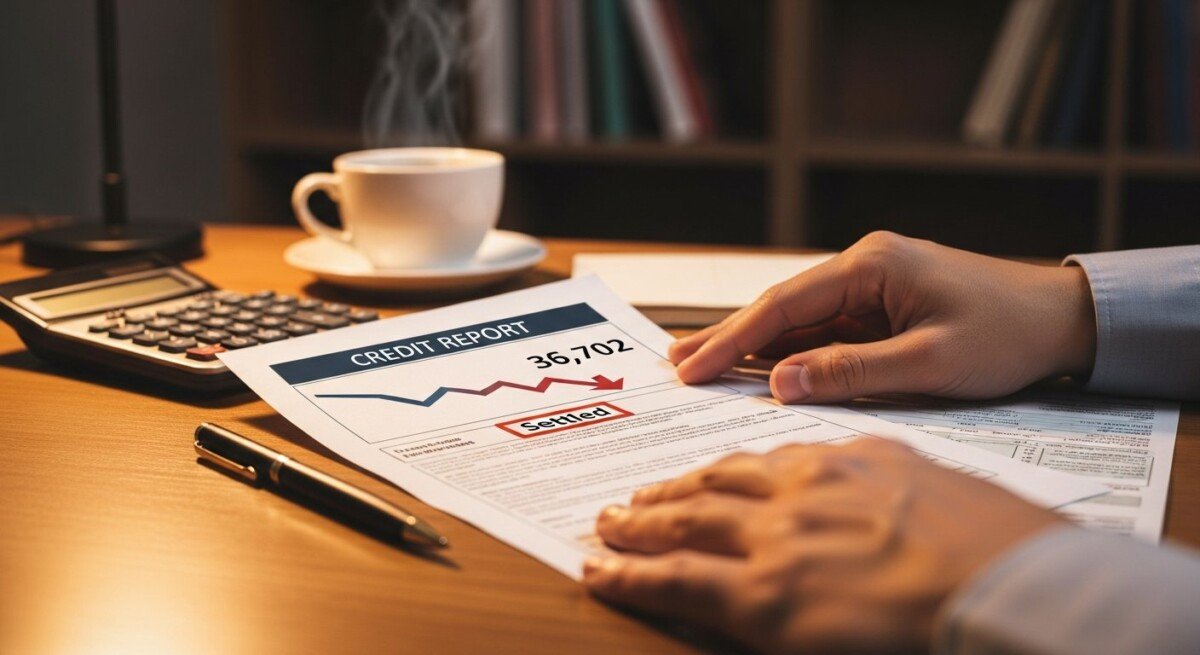
When a creditor agrees to forgive part of your debt, they typically report the account status to the three major credit bureaus: Equifax, Experian, and TransUnion. The reporting process involves updating the account to reflect a settled status rather than a paid-in-full status. Specifically, the lender may mark the account as “Settled for less than the full balance” or “Account settled.” This notation is a public record that future lenders can see when they pull your credit report.
The credit bureaus do not treat a settled account the same as an account that was paid in full. Instead, they view settlement as a negative event because it indicates you did not fulfill your original contractual obligation. As a result, the account will remain on your credit report for seven years from the date of the first missed payment that led to the settlement. This timeline is similar to how a charge-off or collection account is handled.
It is important to note that not all debt forgiveness is reported the same way. For example, if you complete a debt management plan through a credit counseling agency, the accounts may be reported as paid as agreed. However, in most debt settlement scenarios, the negative notation is unavoidable. Understanding this distinction can help you set realistic expectations for your credit recovery journey.
Credit Score Impact of Debt Forgiveness
The immediate effect of debt forgiveness on your credit score is often a drop. How much your score decreases depends on several factors, including your starting score, the number of accounts affected, and the overall health of your credit profile. For someone with a strong credit history, a single settled account could cause a significant decline of 50 to 100 points or more. For someone with already damaged credit, the impact may be less severe because the score is already low.
Beyond the initial drop, the settled account will continue to affect your score throughout the seven-year reporting period. The presence of a settled account tells the scoring algorithm that you were unable to repay your debt as agreed. This can make it harder to qualify for new credit, and if you do qualify, you may face higher interest rates and stricter terms.
However, the impact diminishes over time. As the settled account ages, its weight in the credit scoring formula decreases, especially if you add positive payment history on other accounts. Many consumers see their scores begin to recover within 12 to 24 months after a settlement, provided they manage their remaining credit responsibly. To learn more about the nuances of how debt settlement works, read our guide on Credit Card Debt Forgiveness: What It Is and How It Works.
Tax Implications of Forgiven Debt
Debt forgiveness does not only affect your credit report; it also has tax consequences. When a lender forgives $600 or more of your debt, they are required to send you a Form 1099-C (Cancellation of Debt). This form reports the forgiven amount as taxable income to the IRS. You must include this amount on your annual tax return, and you may owe taxes on it at your ordinary income tax rate.
There are exceptions to this rule. For example, if you were insolvent at the time the debt was forgiven, you may be able to exclude some or all of the forgiven amount from your taxable income. Insolvency means your total liabilities exceed your total assets. To claim this exclusion, you must file IRS Form 982 and provide documentation of your financial situation at the time of the forgiveness.
Other exclusions include debt forgiven through certain bankruptcy proceedings or qualified principal residence indebtedness. Because tax rules are complex, it is highly recommended to consult a tax professional or CPA before filing your return. Failing to report the forgiven debt can lead to IRS penalties and interest. Understanding the full picture of debt forgiveness helps you plan for both the credit and tax outcomes.
How Long Does Debt Forgiveness Stay on Your Credit Report?
The settled account will remain on your credit report for seven years from the date of the first missed payment that led to the settlement. This is the standard reporting period for most negative items, including charge-offs, collections, and late payments. The seven-year countdown begins from the original delinquency date, not the date the account was settled.
After seven years, the account must be automatically removed from your credit report by the credit bureaus. At that point, it can no longer affect your credit score. However, if the account is not removed automatically, you have the right to dispute it with the credit bureaus and request its deletion. Checking your credit report annually is a good habit to ensure all old negative items are removed on time.
It is also worth noting that some lenders may report a settled account differently. For instance, they might report the account as “Paid in full” if you agreed to a partial settlement that was less than the full balance but the lender chose to use that code. While rare, this can happen if you negotiate effectively. Always ask your lender how they plan to report the account before you agree to a settlement. For more details on the process, see our article on Understanding a Notice of Credit Card Debt Forgiveness.
Can You Remove Debt Forgiveness From Your Credit Report Early?
Generally, you cannot remove a legitimate settled account from your credit report before the seven-year mark. Credit bureaus are required to report accurate information, and a settlement is a factual event. However, there are limited circumstances where early removal might be possible:
- If the account is reported incorrectly: If the lender reports the account as settled when it was actually paid in full, or if the dates are wrong, you can dispute the error with the credit bureau. If the dispute is resolved in your favor, the item may be removed.
- If you negotiate a pay-for-delete agreement: Some creditors may agree to delete the account from your credit report in exchange for payment. This is more common with collection agencies than with original creditors. However, pay-for-delete is not guaranteed and is less common than it used to be.
- If the debt was not yours: If you were a victim of identity theft or the account was opened fraudulently, you can dispute it and have it removed entirely.
It is important to be cautious about companies that promise to remove negative items for a fee. Many of these services are scams or use questionable methods that can backfire. The best approach is to focus on rebuilding your credit through positive habits rather than trying to erase accurate negative information.
Strategies to Rebuild Credit After Debt Forgiveness
While a settled account on your credit report is not ideal, it is not the end of your credit journey. With time and disciplined financial behavior, you can rebuild your credit score and improve your overall financial health. Here are several strategies to consider:
1. Pay all other bills on time. Payment history is the most important factor in credit scoring, accounting for 35% of your FICO score. Making on-time payments on your remaining accounts (credit cards, loans, utilities, rent) will gradually offset the negative impact of the settled account.
2. Keep credit card balances low. Your credit utilization ratio (the amount of credit you use compared to your total available credit) is the second most important factor. Aim to keep your utilization below 30% on each card and ideally below 10% overall. This shows lenders that you are not overly reliant on credit.
3. Consider a secured credit card. If you have no open credit accounts after settlement, a secured credit card can help you rebuild credit. You make a refundable deposit that becomes your credit limit. Use the card for small purchases and pay the balance in full each month. After 6 to 12 months of responsible use, you may qualify for an unsecured card.
4. Become an authorized user. Ask a family member or trusted friend to add you as an authorized user on their credit card account. The account’s positive payment history will appear on your credit report, potentially boosting your score. Just ensure the primary account holder has good credit habits.
5. Monitor your credit report regularly. Use free services like AnnualCreditReport.com to check your credit report from each bureau once a year. Look for errors or signs of identity theft. Catching mistakes early can prevent further damage to your credit.
Rebuilding credit after debt forgiveness takes patience, but it is achievable. Many people see significant improvement within two to three years if they follow these steps consistently.
Common Misconceptions About Debt Forgiveness and Credit
There is a lot of misinformation about how debt forgiveness affects credit. Let us clear up some common myths:
Myth: Debt forgiveness wipes your credit clean. Fact: Debt forgiveness does not erase the negative history. The settled account remains on your report for seven years. However, the debt itself is no longer owed, so you stop receiving collection calls and lawsuits.
Myth: You can negotiate forgiveness without any credit impact. Fact: Almost any form of debt forgiveness that involves paying less than the full amount will result in a negative credit notation. The only way to avoid credit damage is to pay the debt in full as agreed.
Myth: Filing bankruptcy is better for your credit than debt settlement. Fact: Both options have severe credit impacts. Bankruptcy stays on your report for 7 to 10 years, while a settled account stays for 7 years. The best choice depends on your specific financial situation, the amount of debt, and your income.
Myth: Once a settled account is removed, your credit score returns to where it was before. Fact: While removal of the negative item helps, your credit score is based on your entire credit history. If you have not added positive accounts or maintained good habits, your score may not fully recover to pre-settlement levels. Consistent positive behavior is key.
Understanding these facts helps you set realistic expectations and avoid scams that promise quick fixes. Debt forgiveness is a tool, not a magic solution. Use it wisely as part of a broader financial recovery plan.
Frequently Asked Questions
Will debt forgiveness show up on my credit report as a separate item?
Yes, the original account will be updated to show a settled status. It does not appear as a separate item; instead, the existing account history is modified to reflect the settlement.
Can I dispute a settled account if I think it is inaccurate?
Yes, you can dispute any inaccuracy on your credit report. If the lender reported the settlement incorrectly (e.g., wrong date, wrong amount), you can file a dispute with the credit bureau. Provide supporting documents to strengthen your case.
Does debt forgiveness affect my ability to get a mortgage?
It can. Mortgage lenders review your entire credit history. A settled account within the last two years may raise concerns about your creditworthiness. However, with a strong down payment, stable income, and time since the settlement, you may still qualify, though possibly at a higher interest rate.
How much does debt forgiveness lower your credit score?
There is no fixed number. The drop depends on your credit profile. A person with a 750 score might see a 60 to 100 point drop, while someone with a 550 score might see only a 10 to 20 point drop. The more positive history you have, the greater the impact.
Should I avoid debt forgiveness to protect my credit?
Not necessarily. If you are struggling with unmanageable debt, the alternative (default, lawsuits, wage garnishment) can be even worse. Weigh the pros and cons. Debt forgiveness can provide a fresh start, even with the credit impact. A lower credit score is temporary, but financial freedom can be permanent.
Debt forgiveness is a powerful tool for those drowning in unsecured debt. While the credit report impact is real, it is manageable with time and smart financial habits. If you are considering debt settlement or have already received a forgiveness notice, take proactive steps to protect your credit and plan for the tax consequences. For personalized guidance, contact our team at (833) 670-8023 to discuss your options and start your journey toward financial recovery. Remember, the goal is not a perfect credit score overnight; it is long-term financial health and peace of mind.