
Debt Settlement in Miami Florida: A Complete Guide
Explore debt settlement in Miami Florida and learn how to reduce unsecured debt by up to 60%. Call us at (833) 670-8023 for a free consultation.

By Iris Calderwyn
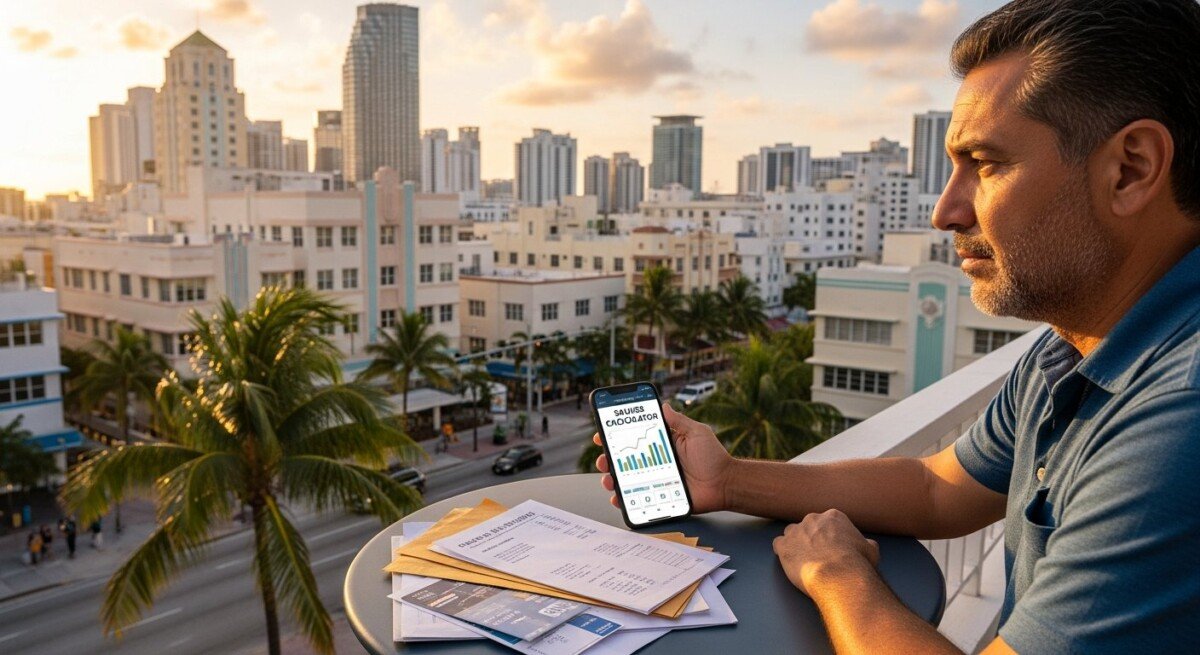
Living in Miami comes with unique financial pressures. From the high cost of housing in Brickell to the competitive job market across South Florida, many residents find themselves carrying more unsecured debt than they can manage. If you are struggling with credit card bills, medical collections, or personal loans, you may have heard about debt settlement as a way out. But how does it work specifically for Miami residents? And is it the right path for your situation? This guide explains everything you need to know about debt settlement in Miami Florida, including local regulations, practical steps, and how to choose a reputable provider.
Understanding Debt Settlement and How It Works
Debt settlement is a formal negotiation process where a third-party company works on your behalf to convince creditors to accept a lump sum payment that is less than the full amount you owe. For example, if you owe $15,000 on a credit card, a settlement company might negotiate a payoff of $6,000 to $9,000. You pay the settlement company a fee (typically a percentage of the enrolled debt or of the amount saved), and the creditor agrees to forgive the remaining balance.
This approach is different from debt consolidation (which rolls multiple debts into a single loan) or credit counseling (which helps you repay the full amount through a structured plan). Debt settlement is designed for people who have already fallen behind on payments or who have a genuine financial hardship that makes full repayment impossible. In our detailed comparison of credit counseling vs debt settlement: key differences, we explore which option suits different hardship levels.
For Miami residents, the process typically follows these steps:
- You stop making payments to creditors and instead deposit money into a dedicated savings account each month.
- The settlement company negotiates with each creditor individually, aiming for a reduced lump sum.
- Once an agreement is reached, you authorize payment from the savings account to the creditor.
- The creditor reports the debt as “settled” on your credit report, which impacts your credit score but is less severe than a bankruptcy filing.
The entire process usually takes 24 to 48 months. During that time, you will likely receive collection calls and letters, which can be stressful. However, for many people in Miami facing mounting interest rates and late fees, the relief of reducing total debt by 40% to 60% outweighs the temporary credit score drop.
Why Debt Settlement in Miami Florida Is Different
Miami is not just another city when it comes to debt relief. The local economy, cost of living, and legal environment create specific conditions that affect how debt settlement works. For instance, Florida has some of the strongest homestead exemptions in the country, which means your primary residence is generally protected from creditors in a lawsuit. However, wage garnishment laws in Florida are more limited than in some other states (garnishment is only allowed for child support, student loans, and certain taxes), which can change the leverage creditors have against you.
Additionally, Miami has a high concentration of tourism, real estate, and service-industry jobs. Many residents experience seasonal income fluctuations or work as independent contractors. Debt settlement programs often require a steady monthly deposit into a savings account, so if your income varies, you will need to choose a provider that offers flexible payment schedules. A good settlement company will assess your specific cash flow and help you design a plan that works with Miami’s boom-and-bust economic cycles.
Another local factor is the prevalence of medical debt. Many Miami residents lack comprehensive health insurance or have high-deductible plans. A single emergency room visit can lead to thousands of dollars in unsecured medical bills. Debt settlement is often an effective solution for medical debt because hospitals and collection agencies frequently accept reduced payments to avoid the cost of litigation. Before enrolling, make sure you understand which types of debt are eligible. Most unsecured debts qualify, including credit cards, personal loans, and medical bills. Secured debts like car loans or mortgages do not qualify for settlement.
How to Choose a Debt Settlement Provider in Miami
Not all debt settlement companies operate ethically. The industry has a history of predatory practices, including charging large upfront fees (which is illegal under FTC rules) and promising unrealistic results. When evaluating a provider for debt settlement in Miami Florida, look for these key indicators of legitimacy:
- The company is accredited by the American Fair Credit Council (AFCC) or the International Association of Professional Debt Arbitrators (IAPDA).
- They do not charge any fees before a settlement is reached and accepted by a creditor.
- They provide a clear written contract that outlines the total fees, the estimated timeline, and your right to cancel within three business days.
- They have a physical office or a strong online presence with verifiable client reviews and testimonials.
- They offer a free initial consultation where they review your debts, income, and expenses without pressuring you to sign up.
It is also wise to check with the Florida Office of Financial Regulation to see if the company is registered to do business in the state. Some out-of-state firms target Miami residents with aggressive marketing but lack proper licensing. A reputable company will be transparent about its credentials and happy to provide references.
Finally, consider the debt consolidation vs debt settlement: key differences before making a choice. Consolidation works best for people with good credit who can qualify for a low-interest loan. Settlement is better for those already behind on payments or facing genuine hardship. Knowing which path fits your credit profile and financial situation will save you time and money.
Potential Risks and How to Minimize Them
Debt settlement is not a risk-free solution. The most significant downside is the impact on your credit score. When you stop making payments to creditors, those accounts become delinquent, which can lower your score by 100 points or more. A settled account remains on your credit report for seven years from the original delinquency date. However, the damage is usually less severe than a bankruptcy, which stays on your report for 10 years and is viewed more negatively by lenders.
Another risk is tax liability. The IRS considers forgiven debt over $600 as taxable income. If a creditor forgives $10,000 of your debt, you may receive a Form 1099-C and owe taxes on that amount. However, if you are insolvent at the time of settlement (your liabilities exceed your assets), you may be able to exclude the forgiven amount from taxable income. A tax professional can help you navigate this rule. Some settlement companies offer tax advisory services, but it is always wise to consult your own CPA.
Collection calls and lawsuits are also a concern. While Florida’s homestead exemption protects your home, creditors can still sue you for unpaid debts. If they obtain a judgment, they may be able to freeze your bank account (with certain exemptions) or place a lien on non-exempt property. A good settlement company will communicate with creditors to reduce the likelihood of legal action, but there is no guarantee. Choosing a reputable provider that monitors your accounts and intervenes quickly can mitigate this risk.
Lastly, not all creditors are willing to settle. Some major banks and credit unions have policies against accepting reduced payments, especially if the debt is relatively small. Your settlement company should be honest about which creditors are likely to settle and which ones may require a different approach, such as a payment plan or bankruptcy. A skilled negotiator will know the tendencies of each creditor and tailor their strategy accordingly.
Steps to Enroll in a Debt Settlement Program
If you decide that debt settlement is the right choice, follow these steps to get started:
- List all your unsecured debts. Include the creditor name, current balance, interest rate, and minimum monthly payment. This gives you a clear picture of what you owe.
- Calculate your monthly surplus. Determine how much you can realistically set aside each month after covering essential living expenses like rent, utilities, groceries, and transportation. This amount will be your monthly deposit into the settlement savings account.
- Research and compare providers. Look for companies that specialize in debt settlement in Miami Florida and have strong reviews. Schedule free consultations with at least two providers to compare fees, timelines, and communication practices.
- Review the contract carefully. Make sure the total fee is disclosed, the estimated timeline is realistic, and there are no hidden charges. Confirm that you can withdraw from the program at any time without penalty.
- Open a dedicated savings account. Many settlement companies recommend or require a separate FDIC-insured account where you deposit funds each month. This account is used exclusively for settlement payouts.
- Stop making payments to creditors. Your settlement company will advise you when to stop paying. They will also handle communication with creditors to minimize collection pressure.
- Monitor your progress. You should receive regular updates on which debts have been settled, how much was saved, and how much remains. If you feel the process is stalling, ask for a detailed explanation.
Throughout this process, it is important to stay disciplined with your savings. Missing a deposit can delay settlements and increase the risk of lawsuits. If your financial situation changes (e.g., you lose your job or face a medical emergency), inform your settlement company immediately. They may be able to pause the program or adjust the monthly deposit amount.
How Debt Settlement Affects Your Credit Over Time
Many people worry about credit damage, and rightly so. However, the long-term impact of debt settlement is often less damaging than remaining in debt forever. If you continue making only minimum payments on high-interest credit cards, you may never pay off the principal, and your credit utilization ratio stays high. That also hurts your score. Debt settlement offers a defined endpoint: once your debts are settled, you can begin rebuilding your credit immediately.
After settlement, focus on paying all other bills on time, keeping credit card balances low, and monitoring your credit report for errors. Within 12 to 24 months, many people see their scores rise back into the mid-600s or higher. For a deeper look at the long-term trajectory, read our article on can debt settlement improve credit over time. The key is to view settlement not as a permanent stain but as a strategic reset that allows you to start fresh.
Frequently Asked Questions
Is debt settlement legal in Florida?
Yes, debt settlement is legal in Florida. However, the state has specific regulations. For example, debt settlement companies cannot charge upfront fees before a settlement is reached. They must also provide a clear disclosure of terms. Always verify that the company is registered with the Florida Office of Financial Regulation.
How much does debt settlement cost in Miami?
Most reputable companies charge a fee of 15% to 25% of the total enrolled debt, but they only collect the fee after a settlement is completed. Some companies charge a percentage of the amount saved (e.g., 20% of the debt reduction). Always get the fee structure in writing before signing.
Can creditors still sue me during the settlement process?
Yes, creditors can file a lawsuit even while you are in a settlement program. However, most settlement companies have legal partners or in-house counsel who can respond to lawsuits and protect your rights. In Florida, wage garnishment is limited, but bank account levies are possible. A good settlement company will work to prevent lawsuits by maintaining communication with creditors.
How long does debt settlement take in Florida?
Typically, 24 to 48 months. The timeline depends on the total amount of debt, how much you can save each month, and how quickly creditors agree to settle. Some debts may settle within a few months, while others take longer.
Will debt settlement stop collection calls?
Not immediately. Once you enroll, your settlement company will ask creditors to contact them instead of you. Many creditors will comply, but some may continue calling. You can send a cease-and-desist letter to stop most calls, but be aware that this may accelerate legal action. Your settlement company will guide you on the best approach.
If you are ready to explore whether debt settlement in Miami Florida is right for you, reach out to a trusted provider that prioritizes transparency and client success. With the right plan, you can reduce your debt burden, stop the cycle of late fees and high interest, and take the first step toward financial freedom. Call us at (833) 670-8023 to speak with a specialist today.