
Payday Loan Default: What Happens and How to Recover
Defaulting on a payday loan can lead to fees, lawsuits, and credit damage. Contact us at (833) 670-8023 for debt relief options.

By Iris Calderwyn
When you take out a payday loan, the repayment terms often feel manageable in the moment. But a sudden job loss, a medical emergency, or an unexpected car repair can quickly turn that short-term loan into a long-term burden. If you have stopped making payments or are about to miss one, you are likely asking yourself: what happens if you default on payday loans? The answer involves aggressive collection tactics, fees that balloon rapidly, and potential legal consequences. Understanding this process is the first step toward protecting your finances and finding a way out.
The Immediate Consequences of a Payday Loan Default
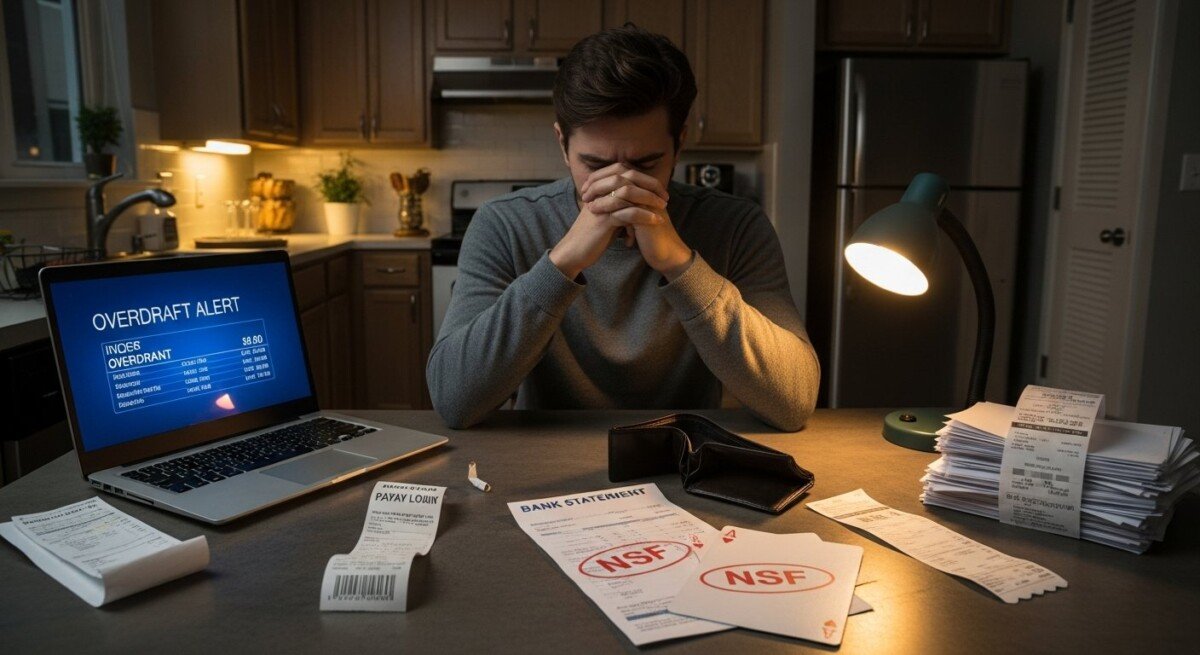
The moment you miss a payment, the lender typically imposes a late fee. Most payday loan contracts include a grace period of just a few days. After that, a flat fee or a percentage of the loan amount is added to your balance. Unlike traditional installment loans, payday loans are structured so that the lender can attempt to withdraw the full amount from your bank account on your next payday. If your account lacks sufficient funds, you face both the lender’s fee and a nonsufficient funds (NSF) fee from your bank.
These fees compound quickly. For example, a $300 payday loan with a $45 fee might double to $600 or more within a few weeks if you miss payments. The lender may also attempt to cash your postdated check multiple times, each attempt triggering additional NSF charges. This cycle can drain your bank account and leave you with a negative balance, making it even harder to cover basic living expenses.
Collection Practices and Your Rights
Once your loan is in default, the lender or a third-party debt collector will begin contacting you. These calls can be frequent, sometimes multiple times per day. Under the Fair Debt Collection Practices Act (FDCPA), collectors cannot call before 8 a.m. or after 9 p.m., and they cannot use abusive language or threaten you with arrest. However, payday lenders often operate in a gray area. Some may threaten criminal prosecution for writing a bad check, which is illegal in most states because the check was given as a form of payment for a loan, not as a fraudulent act.
You have the right to request that a collector stop contacting you. Send a written cease-and-desist letter via certified mail. Keep copies of all correspondence. If the harassment continues, you can file a complaint with the Consumer Financial Protection Bureau (CFPB) or your state attorney general’s office. For more on how unpaid debts are handled after collection attempts fail, see our guide on what happens when your debt is charged off.
Can You Be Sued for a Payday Loan Default?
Yes, a lender can sue you to collect the debt. Payday loans are typically considered unsecured debt, meaning the lender does not hold collateral like a car or house. However, a lawsuit can lead to a court judgment against you. If the lender wins, they may be able to garnish your wages, freeze your bank account, or place a lien on your property. Each state has different rules about how much of your paycheck can be garnished, but the federal limit is generally 25% of disposable income.
Lawsuits for small loan amounts are less common because the legal costs often exceed the debt. But large payday lenders and debt buyers do file lawsuits, especially if the loan is several hundred dollars or more. If you are served with a summons, do not ignore it. Respond by the deadline stated in the document. A default judgment (a ruling against you because you did not appear) makes it much easier for the lender to collect.
What to Do If You Are Sued
If you receive a summons, take these steps immediately. First, verify that the debt is yours and that the amount is correct. Payday lenders sometimes sue for amounts that include inflated fees or interest. Second, respond in writing within the required timeframe, usually 20 to 30 days. Your response can be a simple denial or a request for proof of the debt. Third, consider hiring a consumer debt attorney or seeking help from a legal aid clinic. Many offer free consultations. If the lender fails to provide proper documentation, the case may be dismissed.
Impact on Your Credit Score and Banking History
Payday lenders rarely report on-time payments to the three major credit bureaus (Experian, TransUnion, Equifax). However, once your account goes to collections, the collection agency will likely report the debt. A collection account can lower your credit score by 100 points or more and remain on your credit report for seven years. This damage makes it harder to rent an apartment, get a car loan, or even secure a job that requires a credit check.
Beyond your credit score, defaulting on a payday loan can affect your banking relationship. If your bank account is overdrawn due to repeated withdrawal attempts, the bank may close your account and report you to ChexSystems, a consumer reporting agency for banking history. Being in ChexSystems can prevent you from opening a new checking or savings account for up to five years.
If you are dealing with multiple payday loans and other unsecured debts, a structured settlement program might help you regain control. At Debtsend, we provide personalized support to help you reduce unsecured debt and create a clear path to financial freedom.
Alternatives to Defaulting
Before the situation escalates, consider these options to avoid default. First, contact your lender directly. Some payday lenders offer extended payment plans (EPPs) that allow you to pay back the loan over several months without additional fees. Not all states require lenders to offer EPPs, but it is worth asking. Second, reach out to a nonprofit credit counseling agency. A certified counselor can help you create a budget, negotiate with creditors, and enroll in a debt management plan if appropriate.
Third, explore small-dollar loan alternatives from credit unions or community banks. Many credit unions offer payday alternative loans (PALs) with lower interest rates and longer repayment terms. Fourth, if you are facing severe financial hardship, consider a debt settlement program. Unlike bankruptcy, which stays on your credit report for up to ten years, debt settlement aims to reduce your total debt while minimizing long-term credit damage.
Long-Term Strategies for Financial Recovery
Defaulting on a payday loan does not have to define your financial future. The key is to take proactive steps to rebuild. Start by creating a realistic budget that accounts for your essential expenses and debt payments. Cut unnecessary costs, such as subscriptions or dining out, and redirect that money toward your highest-interest debts. Build an emergency fund of at least $500 to cover unexpected expenses without resorting to payday loans again.
Next, work on improving your credit score. Pay all bills on time, even if you can only make minimum payments. Keep your credit card balances low, ideally below 30% of your credit limit. Check your credit report annually for errors and dispute any inaccuracies. Over time, these habits will raise your score and give you access to more affordable credit options.
Finally, educate yourself about predatory lending practices. Payday loans are designed to trap borrowers in a cycle of debt. By understanding how they work, you can avoid them in the future. If you ever need quick cash, consider a personal loan from a reputable online lender, a credit card cash advance (as a last resort), or a loan from family or friends. The goal is to break the cycle and build a stable financial foundation.
Frequently Asked Questions
Can I go to jail for not paying a payday loan?
No, you cannot go to jail for simply failing to repay a payday loan. Debtors’ prisons were abolished in the United States in the 19th century. However, a lender can sue you, and if a court orders you to appear and you do not, you could face a warrant for contempt of court. Always respond to legal notices.
Will a payday loan default affect my taxes?
If the lender forgives part of your debt (writes it off), the IRS may consider the forgiven amount as taxable income. You will receive a Form 1099-C if the forgiven debt is $600 or more. Consult a tax professional to understand your obligations.
How long does a payday loan stay on my credit report?
A collection account from a payday loan can stay on your credit report for seven years from the date of the first missed payment. However, the original loan account itself may be removed after seven years as well.
Can a payday lender take my stimulus check or tax refund?
Generally, no. Federal benefits like stimulus payments and tax refunds are protected from most private debt collectors. However, if a court has issued a judgment against you, the lender may be able to garnish your bank account where those funds are deposited. Keep funds separate or consult an attorney.
What is the best way to get out of payday loan debt?
The best approach depends on your situation. Options include negotiating a payment plan, working with a nonprofit credit counselor, enrolling in a debt management plan, or using a debt settlement program. For personalized guidance, call us at (833) 670-8023 to speak with a financial specialist.
Defaulting on a payday loan is stressful, but you have options. The most important step is to take action early. Ignoring the problem only leads to more fees, more calls, and greater financial damage. Whether you choose to negotiate with the lender, seek credit counseling, or enroll in a debt settlement program, the goal is the same: break free from the cycle of high-cost debt and move toward lasting financial wellness. At Debtsend, we are here to help you navigate this journey with empathy and expertise. For more insights on managing unsecured debt, read our article on what happens when your debt is charged off and learn how to protect your rights. You can also explore our resources on the difference between charge-offs and collections to better understand your credit report.