Secured vs Unsecured Debt: Key Differences Explained
Understanding secured vs unsecured debt is key to choosing the right relief strategy. Call (833) 670-8023 to explore your options.

By Lila Montrose
When financial obligations pile up, understanding the type of debt you carry is the first step toward regaining control. Many people sign loan agreements without realizing whether their debt is secured or unsecured, and this distinction can determine everything from interest rates to what happens if you cannot pay. Secured vs unsecured debt is not just legal jargon; it is a practical framework that affects your wallet, your assets, and your options for relief.
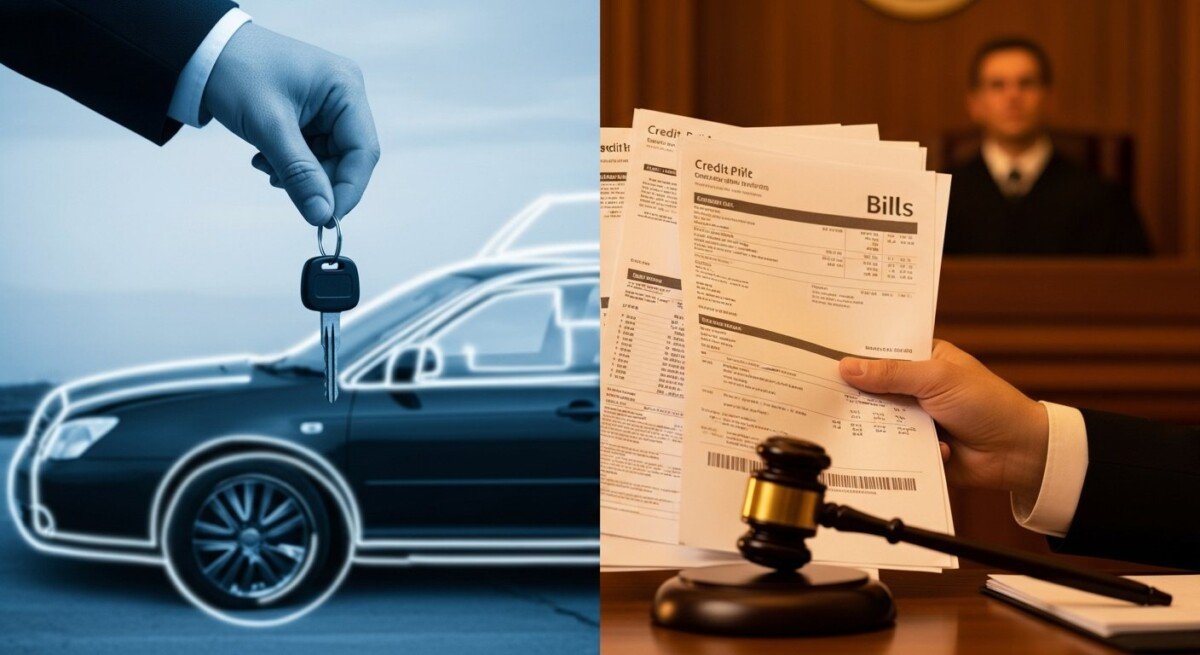
Imagine you take out a car loan. The vehicle itself acts as collateral. If you stop making payments, the lender can repossess the car. Now imagine you open a credit card. No asset backs that line of credit. If you default, the lender can sue you, but they cannot simply take your car or house without a court order. That simple difference defines the two categories and shapes the strategies you can use to manage them.
In this article, we will break down secured vs unsecured debt in plain language, explore how each type works, and discuss what happens when you struggle to pay. We will also connect these concepts to real-world debt relief options, including structured programs that can help you move toward financial freedom.
What Is Secured Debt?
Secured debt is any loan backed by an asset you own. The asset serves as collateral, meaning the lender has a legal right to seize it if you fail to repay. This arrangement reduces risk for the lender, which often results in lower interest rates and larger loan amounts for the borrower.
Common examples include mortgages (the house is collateral), auto loans (the car is collateral), and secured personal loans (where you pledge savings, a certificate of deposit, or other property). Home equity lines of credit (HELOCs) also fall into this category because they use your home as security.
Because the lender can repossess the collateral, secured debt is generally easier to qualify for even with a lower credit score. However, the stakes are higher. If you default, you do not just damage your credit; you could lose your home, vehicle, or other valuable property. This risk makes secured debt a double-edged sword: it offers better terms but carries serious consequences for nonpayment.
What Is Unsecured Debt?
Unsecured debt is not tied to any asset. Lenders approve these loans based on your creditworthiness, income, and promise to repay. If you stop paying, the lender cannot immediately seize property. Instead, they may send the account to collections, report the delinquency to credit bureaus, or sue you to obtain a judgment that allows wage garnishment or bank account levies.
Credit card debt, medical bills, personal loans, student loans, and utility bills are all forms of unsecured debt. Because the lender has no collateral to fall back on, interest rates tend to be higher, and approval may require a stronger credit history. For people facing financial hardship, unsecured debt can become overwhelming quickly due to compounding interest and late fees.
When clients come to our firm for unsecured debt help, they often carry balances on multiple credit cards or have accumulated medical bills that feel impossible to pay. The good news is that unsecured debt offers more flexibility for negotiation and settlement because the lender’s only leverage is your credit score and the threat of legal action, not your physical assets.
Key Differences Between Secured and Unsecured Debt
Understanding the differences can help you make smarter borrowing decisions and choose the right relief strategy if you fall behind. Here are the most important contrasts:
- Collateral: Secured debt requires collateral; unsecured debt does not.
- Interest rates: Secured loans typically have lower rates because the lender’s risk is lower.
- Loan amounts: Secured debt often allows larger sums since the asset backs the loan.
- Credit requirements: Unsecured debt usually demands a higher credit score for approval.
- Consequences of default: With secured debt, you can lose the asset. With unsecured debt, the lender must sue to collect, and the worst outcome is a judgment against you.
These distinctions matter when you evaluate your overall financial health. For instance, if you have high unsecured balances, you might consider debt settlement as an alternative to bankruptcy. In our proven strategies for financial relief, we show how negotiating with creditors can reduce your total owed by a significant percentage, often without risking your home or car.
How Lenders Assess Risk for Each Type
Lenders use different criteria depending on whether they are offering secured or unsecured credit. For secured loans, the primary concern is the value of the collateral and your ability to maintain it. They will check the asset’s appraisal or market value and require insurance in many cases (like homeowners or auto insurance). Your credit score still matters, but it is less decisive.
For unsecured loans, lenders rely heavily on your credit report, debt-to-income ratio, and payment history. They want to see that you have managed similar obligations responsibly. If your credit score is low or you have a history of late payments, you may be denied or offered a very high interest rate. This is why unsecured debt can become a trap: once you miss a payment, your credit drops, making it harder to refinance or obtain new credit on reasonable terms.
What Happens When You Cannot Pay Secured Debt
If you fall behind on a secured loan, the lender will typically send notices and attempt to work out a payment plan. If you still do not pay, they can initiate repossession or foreclosure. The process varies by state, but generally, the lender can take the collateral, sell it, and apply the proceeds to your balance. If the sale does not cover the full amount, you may still owe the deficiency.
For example, if you owe $20,000 on a car and the lender repossesses and sells it for $15,000, you could be on the hook for the remaining $5,000 plus fees. This deficiency balance is treated as unsecured debt, meaning the lender can then sue you for that amount. The loss of the asset is often the most painful part, but the financial damage does not necessarily end there.
What Happens When You Cannot Pay Unsecured Debt
With unsecured debt, the lender cannot take your property directly. Instead, they will start with phone calls and letters from their collections department. After 30 to 90 days of nonpayment, they may charge off the account (meaning they write it off as a loss for tax purposes) and sell it to a collection agency. The agency then pursues you for the balance.
If the debt is large enough, the original creditor or collection agency may sue you. If they win a judgment, they can garnish your wages (up to 25% of disposable income in many states), levy your bank account, or place a lien on your property. However, these steps require court approval and take time. This gives you a window to negotiate a settlement or enroll in a debt relief program before legal action begins.
Which Type of Debt Should You Prioritize?
When money is tight, experts generally recommend prioritizing secured debt because the consequences of default are immediate and severe. Losing your home or car can disrupt your life far more than a damaged credit score. That said, unsecured debt should not be ignored. High interest rates and fees can cause balances to balloon, and lawsuits can lead to wage garnishment.
A balanced approach involves making minimum payments on secured obligations while using any extra cash to tackle high-interest unsecured debt. If you are already behind, consider speaking with a credit counselor or a debt settlement professional who can evaluate your entire situation and suggest a plan. Many people find that a structured settlement program reduces their unsecured balances by 40% to 60%, allowing them to become debt-free in two to four years.
Debt Relief Options for Secured Debt
If you are struggling with secured debt, you have fewer options because the lender holds the collateral. However, you can try the following:
- Loan modification: Ask your lender to lower your interest rate or extend the term to reduce monthly payments.
- Refinancing: If your credit is still decent, refinancing into a new loan with better terms can provide relief.
- Voluntary surrender: You can return the asset to the lender and walk away, though you may still owe a deficiency.
- Short sale or deed in lieu: For mortgages, these options let you avoid foreclosure by selling the home or giving it back voluntarily.
Each option has pros and cons, and your choice depends on your long-term goals. If you want to keep the asset, loan modification is usually the best first step.
Debt Relief Options for Unsecured Debt
Unsecured debt offers more flexibility. Credit counseling, debt management plans, debt settlement, and bankruptcy are all possibilities. Debt management plans involve consolidating payments through a credit counseling agency, which negotiates lower interest rates but requires you to pay the full balance. Debt settlement, on the other hand, allows you to pay a lump sum that is less than what you owe, and the creditor forgives the rest.
Many of our clients choose debt settlement because it can resolve large amounts of unsecured debt without requiring them to take on new loans. If you are considering this path, we recommend reviewing our proven strategies for financial relief to understand the process, timeline, and potential impact on your credit score.
How Credit Scores Are Affected
Both types of debt influence your credit score, but in different ways. Secured debt often appears as an installment loan, which can boost your score if you make on-time payments. Unsecured revolving debt like credit cards affects your credit utilization ratio, which is a major scoring factor.
Defaulting on secured debt can cause a sharp drop in your score, but the repossession or foreclosure stays on your credit report for seven years. Unsecured charge-offs and collections also remain for seven years, but they are sometimes easier to negotiate for removal if you settle the account. Understanding these nuances helps you plan which debts to pay first and when to seek professional help.
Frequently Asked Questions
Can secured debt be converted to unsecured debt?
Not directly. However, if you default and the lender sells the collateral for less than you owe, the deficiency balance becomes unsecured. Some lenders also offer hardship programs that convert a portion of secured debt to unsecured in limited cases.
Does debt settlement work for secured loans?
Debt settlement is primarily designed for unsecured debt. Secured lenders have collateral and are less willing to negotiate. If you want to settle a secured loan, you typically must pay the full amount or risk losing the asset. Exceptions exist for second mortgages or underwater properties, but they are rare.
Which type of debt is better for building credit?
Both can help if you make payments on time. Installment loans (secured) demonstrate your ability to manage fixed payments, while revolving credit (often unsecured) shows you can handle variable balances. A mix of both is ideal for a strong credit profile.
Should I pay off secured or unsecured debt first?
Financial experts often recommend paying off high-interest unsecured debt first because it costs more over time. However, if you risk losing a crucial asset like your home, prioritize secured debt. Evaluate your personal situation and consult a professional if needed.
Taking the Next Step Toward Financial Freedom
Understanding secured vs unsecured debt gives you the knowledge to make informed decisions about borrowing, repayment, and relief. Whether you are trying to avoid foreclosure on a mortgage or drowning in credit card bills, knowing which category your debt falls into helps you choose the right strategy. If unsecured debt is overwhelming you, remember that options exist beyond bankruptcy. A structured settlement program can help you reduce your balances and regain control of your finances. Take the first step today by assessing your debts, talking to a professional, and creating a plan that leads to a debt-free future.